
Protecting Henderson County’s Future: Why Voting YES on the Farmland Preservation Bond Matters for Birds and Our Community
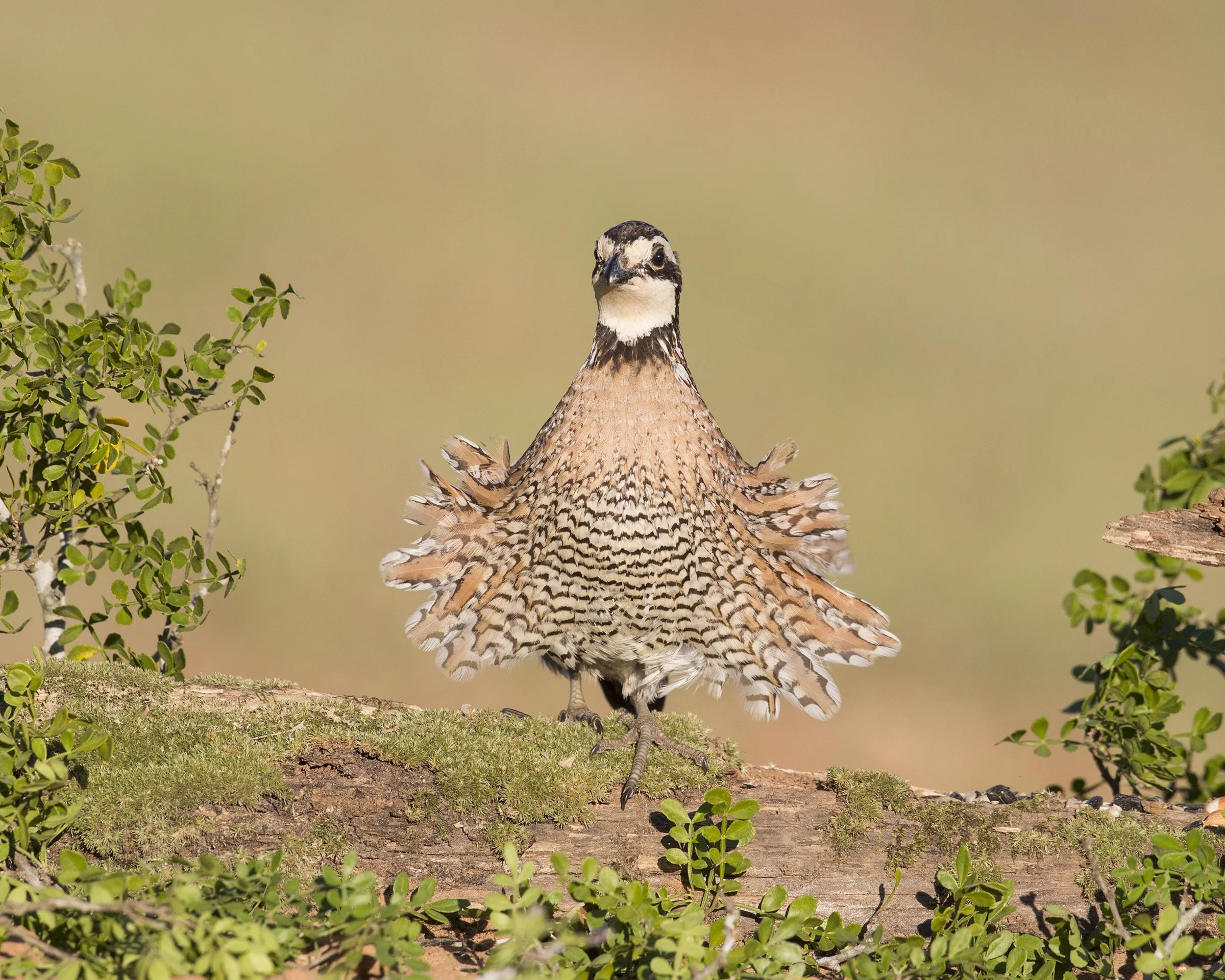
Northern Bobwhite. Photo: Carole Wiley/Audubon Photography Awards
On November 3, Henderson County voters will decide whether to authorize $25 million in general obligation bonds to protect family farms and forests. These dollars will go to voluntary programs that compensate willing landowners for permanently limiting non-agricultural development on their property, all while keeping these properties actively farmed and under private ownership.
The Audubon Action Fund supports a YES vote. This choice is about more than scenery: it is about keeping working lands working to support farm families, local businesses, clean water, wildlife, and the rural character residents value.
Working Lands Work for Birds and People
More than half of North Carolina is made up of working farms and forests. These lands produce food and fiber, sustain jobs, absorb rainfall, protect streams, and provide habitat in a rapidly developing state.
They are especially important for birds. Northern Bobwhite and Eastern Meadowlark need open fields, native grasses, shrubby edges, and other early-successional habitat. Bobolinks rely on grasslands and hayfields during migration and breeding. When farms disappear, these birds lose places to feed, shelter, and raise young.
Farmland Is Economic Infrastructure
Henderson County agriculture supports growers, farmworkers, equipment dealers, processors, distributors, markets, restaurants, and tourism. Orchards, pastures, forests, and family farms also give the county its distinctive identity. But between 2017 and 2022 the county lost nearly 20% of its working farms and forests.
Preservation gives farm families another financial option besides selling for development. A conservation easement removes development rights while keeping land in private hands. Owners may continue to farm, lease, sell, inherit, manage timber, and carry out other permitted rural uses. The result is not a museum landscape—it is working land with a future.
The Window to Act Is Closing
North Carolina is projected to lose about 1.2 million acres of farmland by 2040, more than any state except Texas. Small and family-owned farms are especially vulnerable to rising land values, succession challenges, and development pressure.
Once productive soil is covered by roads, rooftops, and parking lots, the loss is effectively permanent. Communities also lose opportunities to grow food locally, restore a stream buffer, manage pasture, or create the brushy cover for quail. Protecting land is the first step; managing it well unlocks its full value for wildlife.
State investment helps, but it is not enough. Demand still outpaces available resources, state appropriations can vary, and local projects often need matching dollars to compete for state and federal support. A dedicated Henderson County bond would provide a reliable local tool and help leverage outside funding.
Vote YES for Farms, Forests, and Birds
A YES vote protects Henderson County’s rural character, supports farmers and the businesses that depend on them, and maintains room for birds and other wildlife. It is a voluntary, locally controlled investment that preserves choices for the next generation.
Farmland preservation is not about stopping change. It is about shaping growth so Henderson County can add homes and opportunity without erasing the farms, forests, and habitat that make the community special. The decisions made today will shape the landscape for generations.
On November 3, voters have a rare opportunity to ensure working lands, local communities and birds like the Northern Bobwhite, Eastern Meadowlarks and Bobolinks can thrive together. Make a plan to vote YES, and share this message with your neighbors.
Media contact: Zach Wallace, zach.wallace@audubon.org
About Audubon
The National Audubon Society is a leading nonprofit conservation organization with 120 years of science-based, community-driven impact, dedicated to protecting birds and the places they need, today and tomorrow. Birds are powerful indicators of our planet’s health, acting as sentinels that warn us of environmental change and inspire action. Audubon works across the Western Hemisphere, driven by the understanding that what is good for birds is good for the planet. Through a collaborative, bipartisan approach across habitats, borders, and the political spectrum, Audubon drives meaningful and lasting conservation outcomes. With 800 staff and over 1.9 million supporters, Audubon is a dynamic and ever-growing force committed to ensuring a better planet for both birds and people for generations to come.